 Dogs Explained
No, one dog year is not seven human years. Dogs do not age at a constant rate: they race through childhood and adolescence in their first couple of years, then age more steadily.
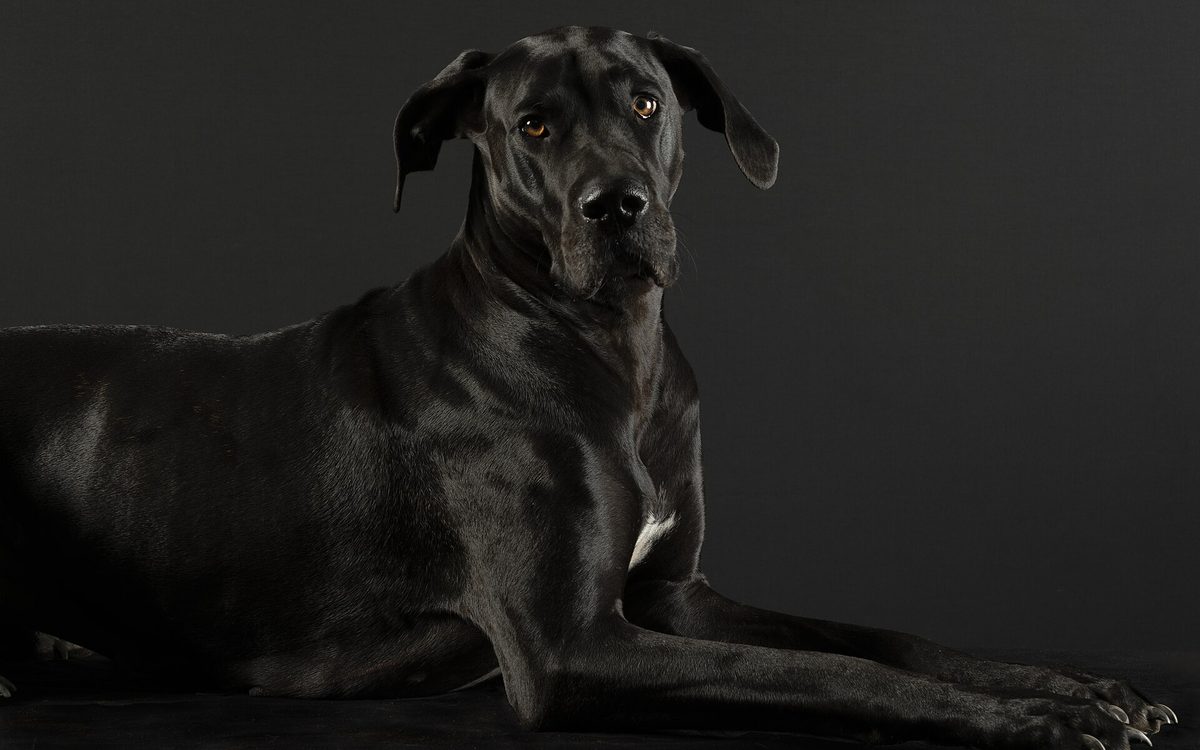
A one-year-old dog is much closer to a teenager than to a seven-year-old child. Size also changes the clock, so a Great Dane and a Chihuahua of the same age are not at the same life stage.
Where did the "seven years" rule come from?
The seven-to-one rule is a simple, easy-to-remember shortcut. It is popular because it gives owners a quick way to picture how old their dog feels. But it treats ageing as a straight line, and biology does not work that way.
Veterinary sources, including the American Veterinary Medical Association (AVMA), give a rough age guide that changes pace over time instead of a flat seven-to-one rule. Research on how dogs' bodies change with age has pointed the same way. Scientists studying chemical changes in dog DNA found that ageing in dogs is not a steady, evenly paced process.
The rule is not useless as a bit of fun. It just should not be used to make decisions about your dog's care.
Why is a one-year-old dog more like a teenager?
The clearest clue is physical maturity. Many dogs reach sexual maturity before their first birthday, commonly somewhere between 6 and 12 months. Some large breeds reach it later.
A seven-year-old child is nowhere near that stage. So a one-year-old dog is far closer to a human teenager than to a primary-school child.
That teenage comparison fits behaviour too. Many young dogs are full of energy, still learning manners, and testing what they can get away with. That is normal for their age. Patient, reward-based training and plenty of exercise help them grow into settled adults.
What is a better rough guide for dog years?
Vets often use a rough guide that changes pace over time. For a medium-sized dog, it looks like this:
- Year one: about 15 human years
- Year two: about 9 more human years
- Each year after that: roughly 4 to 5 more human years
So a medium-sized dog turning two is roughly comparable to a human in their mid-twenties. At three, the guide puts the dog at around 28 to 29 in human terms.
Think of it as a sprint at the start, followed by a steadier jog for the rest of life. The early rush covers growing up. After that, the years add up more slowly.
These figures are rough. They are a way to picture your dog's stage of life, not an exact measurement, and the numbers shift with size and breed.
Does my dog's size change how fast they age?
Yes, and this is one of the most important details. Large and giant breeds tend to age faster in later life and usually have shorter lives than small dogs. This is the opposite of what we see across many animal species, where bigger often means longer-lived. In dogs, smaller breeds generally live longer.
This is why a single formula for every dog cannot work. The medium-dog guide above is a middle-of-the-road estimate. A small dog may be a little behind it in later years, while a giant breed may be ahead of it.
Veterinary life-stage guidance, such as the American Animal Hospital Association (AAHA) guidelines, notes that larger breeds reach senior status earlier. A Great Dane is usually considered a senior at a younger age than a Chihuahua. Exact ages vary, so the useful takeaway is the pattern rather than a number.
How can I tell what life stage my dog is in?
Birthdays are only part of the picture. Size, breed and individual health all play a role, so it helps to watch your own dog.
Broadly, dogs move through these stages:
- Puppy: rapid growth, learning, and lots of sleep between bursts of energy.
- Adolescent: physically maturing, often boisterous, still learning boundaries.
- Adult: settled, with a steady routine and a stable body.
- Senior: a slower pace, with gradual changes in energy, mobility and habits. Large and giant breeds reach this stage sooner.
Gradual changes are normal as dogs get older. You might notice more napping, a little less enthusiasm for long walks, or more stiffness getting up after rest. Seeing these changes is useful, because it helps you adjust walks, bedding and routines to suit your dog.
But not every change is simply "old age". If something seems different, do not assume it is just getting older. A sudden change, or anything that worries you, is a reason to contact your vet.
How should I care for my dog as they get older?
The most useful habit is regular vet check-ups, especially as your dog gets older. Preventive-care guidance from AAHA and the AVMA recommends them for senior dogs, because a vet can spot gradual changes that are easy to miss at home.
A few other everyday habits help:
- Keep a gentle routine. Regular, comfortable exercise suits most dogs, and you can shorten or slow walks as your dog's pace changes.
- Offer comfortable resting spots. Soft, supportive bedding makes it easier for older dogs to settle.
- Keep training positive. Older dogs can still learn, and reward-based games keep their minds active.
- Note changes. If you notice a gradual shift in appetite, movement, thirst or behaviour, write it down and mention it to your vet.
If you are ever unsure whether something is normal, call your vet. They know your dog, and they can tell you what is expected for their size and age. This article is general information and cannot replace a vet's advice about your own dog.
So how old is my dog in human years?
For a medium-sized dog, you can use the rough guide: about 15 for the first year, about 9 more for the second, and around 4 to 5 for each year after that. For a small or giant breed, treat the result as a starting point and keep in mind that size shifts the clock.
The bigger lesson is that a dog's age is not a simple multiplication. Puppies race ahead, ageing then slows, and size sets the pace. Paying attention to your dog's size, their gradual changes and their regular check-ups tells you more than any formula.