 Dogs Explained
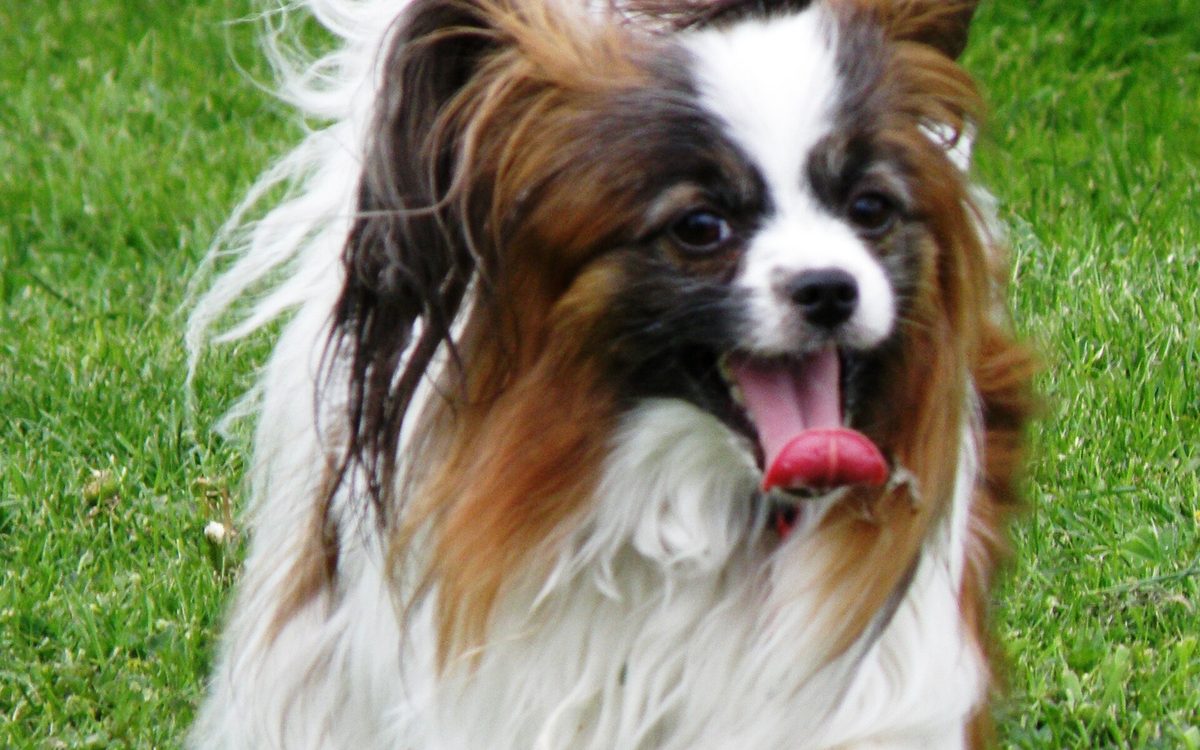
Dogs get the zoomies because they are letting out pent-up energy or tension in one fast, playful burst. It is normal behaviour, and animal-behaviour experts call it Frenetic Random Activity Periods, or FRAPs for short.
Most of the time a zoomie episode is harmless and over within a short while. The real things to watch for are slippery floors, furniture and the way the episode ends.
What exactly are zoomies?
Zoomies are sudden, intense bursts of running and playing that seem to come from nowhere. A dog that was lying calmly a moment ago may suddenly race around the room, the garden or the sofa as if something has switched on.
The name FRAP sounds technical, but the idea is simple. Energy or excitement builds up, and the dog needs a quick, joyful way to let it out.
Veterinary behaviourists and kennel clubs describe zoomies as a normal part of being a dog. A dog that has them is usually a dog that feels well enough to play.
How can I tell it is a zoomie?
Zoomies have a recognisable look. Once you know it, you can often see one coming.
Typical signs include:
- The rear end tucks under the body and the back rounds.
- The dog runs in fast laps or tight figure-eights.
- The movement looks wild and a little random, with sudden turns.
- The face and body look loose and playful rather than stiff or tense.
The play bow is another useful clue. In a play bow the dog puts its elbows on the ground and keeps its rear in the air. It is a play signal that tells you, and other dogs, "this is just for fun."
A play bow often appears at the start of a zoomie episode, at the end, or both. If you see one, you can be fairly confident the dog is playing.
Why do zoomies happen after a bath or in the evening?
Zoomies tend to have common triggers. Dogs are individuals, so not every dog reacts the same way, but certain moments come up again and again in veterinary and kennel-club guides.
After a bath. Many dogs seem to feel relief when the bath is over. Running around is a quick way to release that tension, and it also helps shake off the strange wet feeling.
In the evening. Some dogs have a burst of leftover energy at the end of the day. If the day was quiet, that energy can come out all at once when the household settles down.
After a long rest or time in a crate. A dog that has been confined or resting for a long stretch often has energy ready to go. Once the door opens, the zoomies can start right away.
Excitement can also set them off. A happy greeting, a game or the arrival of a favourite person can push a dog over the edge into a sprint.
Do older dogs still get zoomies?
Puppies and young dogs have zoomies the most often. They have a lot of energy and are still learning how to use their bodies, so short, wild sprints are very common.
Older dogs can still have them. Zoomies tend to become less frequent as dogs age, but they do not disappear completely. A senior dog that suddenly dashes across the room is usually just enjoying a moment of play.
Older dogs may be less steady on their feet, though. That makes the safety steps below even more important for them.
How do I keep zoomies safe?
The sprint itself is rarely the problem. The danger comes from the surroundings: a slippery floor, a sharp corner or furniture in the way.
Here is what usually helps:
- Clear the space. Move low tables, loose objects and anything breakable out of the running path if you can do so safely.
- Choose grippy ground. If you can, guide your dog to a floor with good grip, such as carpet, grass or non-slip flooring, instead of smooth tile or polished wood.
- Do not chase. Chasing usually tells the dog the game is on, and it tends to make the episode last longer.
- Invite your dog to come to you. Call in a cheerful voice and reward the dog when it arrives with praise or a treat.
- Toss a toy. Throwing a toy gives the energy a clear place to go and often helps the dog wind down.
Avoid scolding or grabbing a dog during zoomies. The dog is not misbehaving, and harsh handling can make play stressful. Calm, reward-based guidance works better and keeps the relationship friendly.
It also helps to think about the trigger. If your dog always gets the zoomies after a bath, try to do the bath in a place where a sprint is safe, or have the grippy area ready beforehand.
When should zoomies worry me?
A zoomie episode normally ends by itself. The dog slows down, may pant for a short while, and then settles.
Pay attention to how it ends. If your dog is limping afterwards, or the panting is hard and does not settle, do not simply wait it out. Contact your vet and describe what you saw.
This is a precaution and not a diagnosis. Only a vet can tell you whether something is wrong. Checking early costs little, and it gives you peace of mind.
Also mention it to your vet if the behaviour changes in a way that feels unusual for your dog. You know your dog best, and a sudden change is always worth a quick conversation.
So are zoomies a good sign?
In most cases, yes. Zoomies are usually happy energy escaping at full speed, and they show a dog that feels safe enough to let loose.
You do not need to stop them. You only need to make the space safe, avoid turning it into a chase and watch how the episode finishes.
With a little preparation you can enjoy the show, and your dog can enjoy the run.